Concrete planning guide
How to Measure a Concrete Slab Before You Order
A practical, step-by-step way to measure a rectangular or L-shaped slab, check thickness, and turn the measurements into a concrete order.
Published 2026-07-16 · Updated 2026-07-16 · BuildMeasure Editorial Team
Next step
Turn your measurements into a material estimate
Enter the recorded dimensions in the calculator. It shows the calculated amount, wastage allowance, and a supplier-ready suggested order.
Use the Concrete Slab CalculatorMeasure the formed area, not the rough excavation
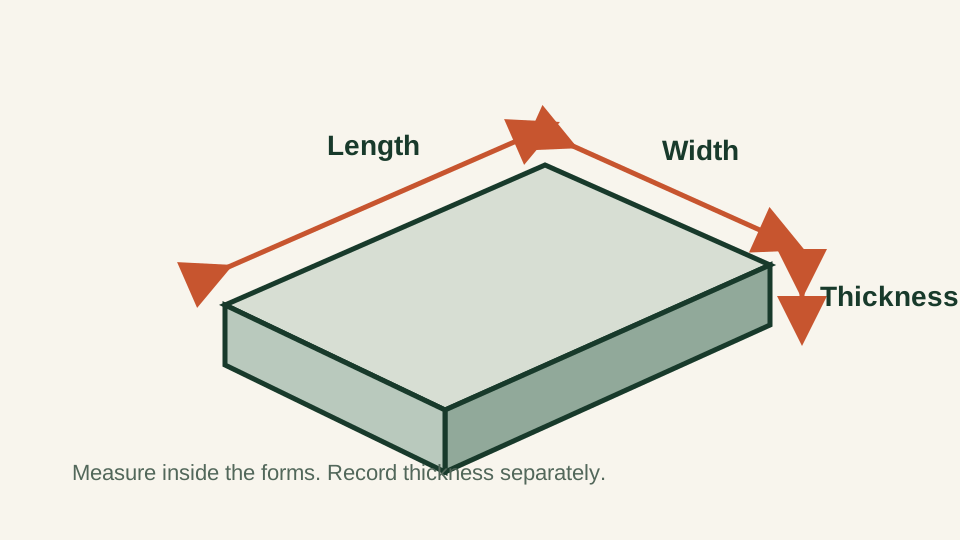
Measure the inside length and width of the completed forms. Those are the dimensions that determine the slab volume. Record both numbers in feet and keep the units consistent.
If the slab has a step, thickened edge, footing, or another section that will be poured with it, measure that section separately. A flat-slab estimate does not include extra concrete in those features.
Check thickness in more than one spot
For a rectangular slab, thickness is the distance from the compacted base to the planned finished surface. It is commonly recorded in inches while the plan dimensions are recorded in feet.
Check several points when the base is uneven. Use the dimension required by your plan or the deepest planned section when preparing a material estimate, then confirm the final requirement with your contractor or local authority.
Split an L-shape into simple rectangles
Do not estimate an irregular outline by eye. Split it into rectangles, calculate each rectangle, and add the results. This makes the measurements easy to check before placing an order.
- Rectangle A: length × width × thickness
- Rectangle B: length × width × thickness
- Add both volumes, then include the wastage allowance you choose.
Convert the volume before you call the supplier
A rectangular slab volume is length × width × thickness. Convert every measurement to the same unit before multiplying. For example, 4 inches is one-third of a foot, not 4 feet.
In the United States, ready-mix is normally ordered in cubic yards. The calculator converts the result for you, applies your selected wastage allowance, and rounds up to a supplier-friendly ordering quantity.
Final pre-order checklist
Before ordering, confirm the mix specification, delivery access, minimum-load or short-load fees, and whether the quoted price includes delivery and tax. A calculator is a planning tool, not a structural design or supplier quotation.
Same project
Related measurement guides
Sources and limits
Check the project-specific details
- NIST unit conversion reference — Reference for the exact international foot definition used in conversions.
This guide supports planning only. It does not specify structural design, code compliance, or a supplier quotation.