Project knowledge
Measure before you buy
Original measurement guides that lead directly into a material estimate — practical planning, not generic filler.
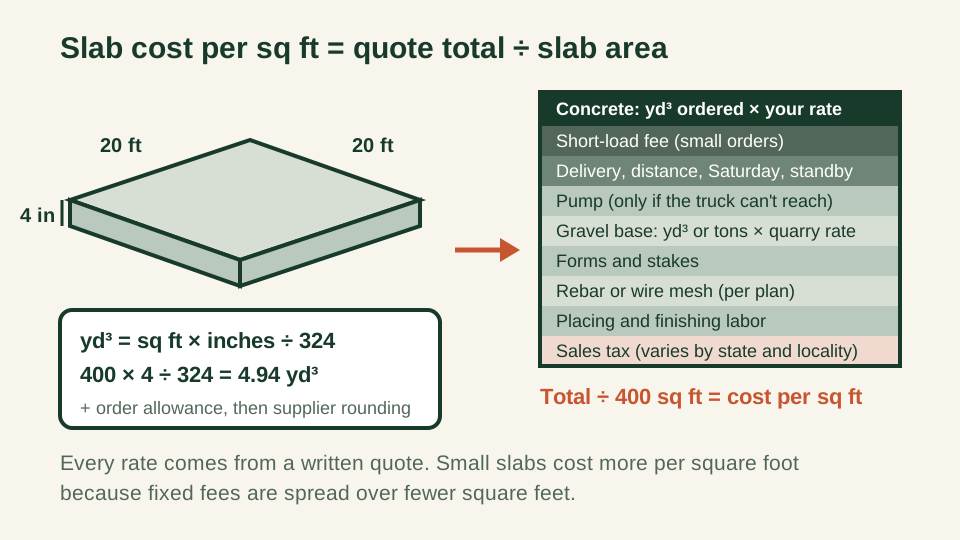
Cost planning guide
Concrete Slab Cost per Square Foot: How the Price Is Built
Concrete slab cost per square foot = cubic yards × your supplier's rate plus short-load, delivery, base, forms, rebar, labor and tax, ÷ the slab's area.
Read guide →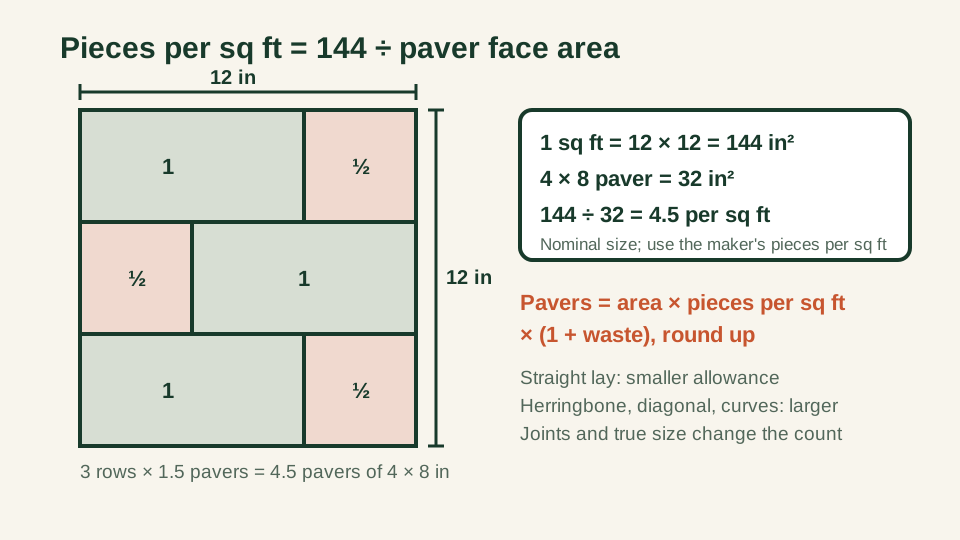
Materials estimating guide
How Many Pavers Do I Need? Pieces per Square Foot by Size
How many pavers do you need? Divide 144 by the paver's face area in square inches for pieces per sq ft, multiply by the patio area, then add waste for cuts.
Read guide →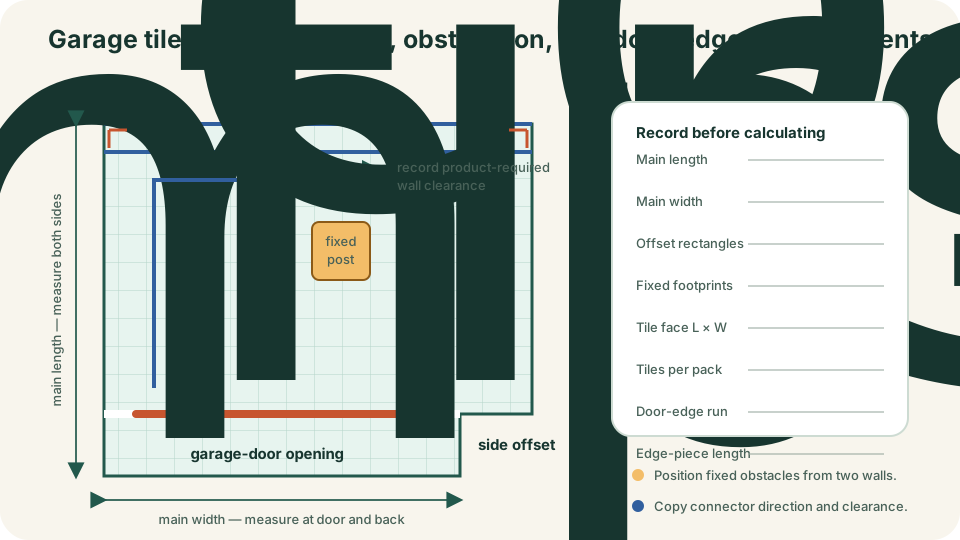
Garage floor tile measurement guide
How to Measure a Garage Floor for Interlocking Tiles
Record tileable floor sections, fixed obstructions, exact tile modules, wall clearances, door-edge runs, and pack details before ordering modular garage tiles.
Read guide →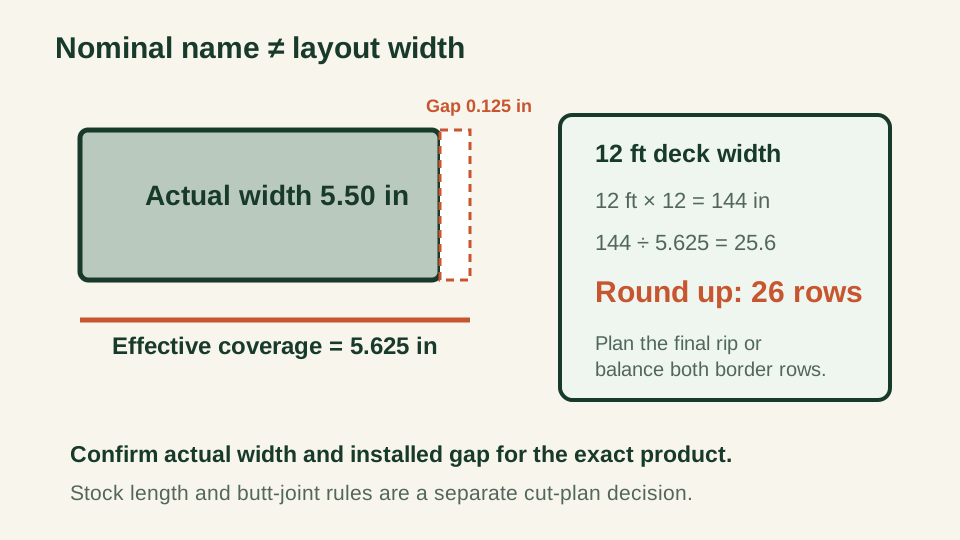
Deck board reference guide
Deck Board Sizes, Actual Widths, Lengths, and Coverage
Convert a deck board's actual width and planned gap into rows and linear feet, then compare common nominal wood sizes with manufacturer-listed composite dimensions.
Read guide →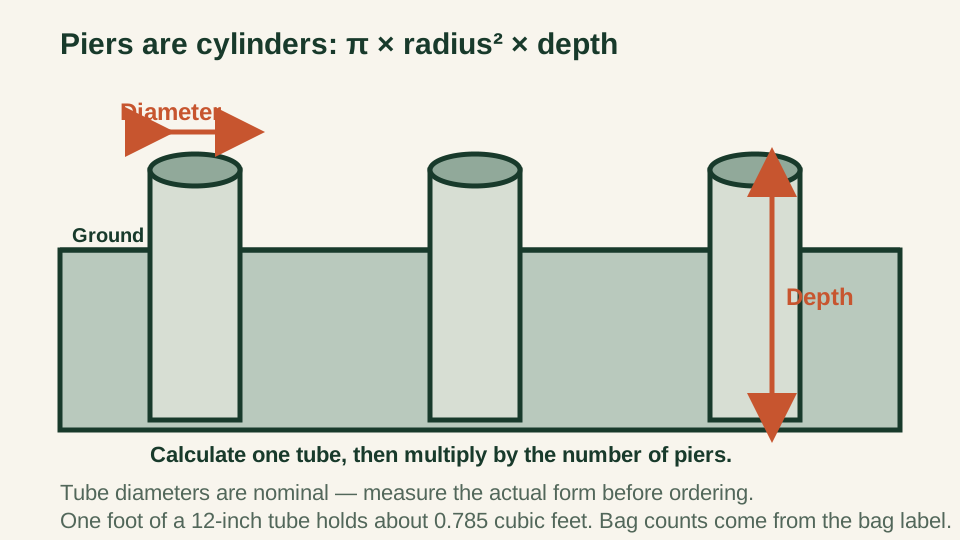
Concrete planning guide
How Much Concrete for Sonotube Piers and Columns
Work out the concrete for cylindrical Sonotube piers and columns from tube diameter, depth, and count, then convert cubic feet to cubic yards or bags.
Read guide →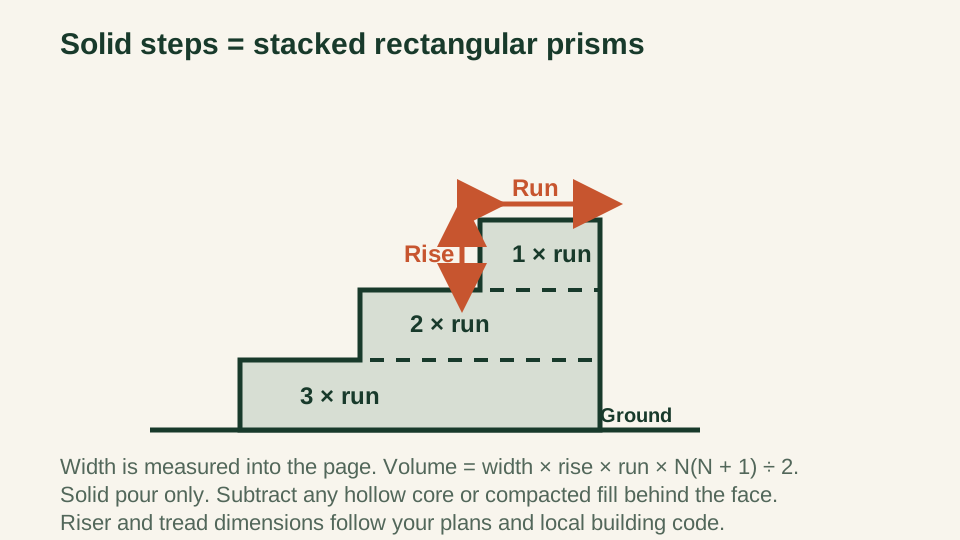
Concrete planning guide
How Much Concrete for Steps
Estimate concrete for solid poured steps by stacking each step as a rectangular prism from rise, run, width, and step count. Hollow or fill-backed steps use less.
Read guide →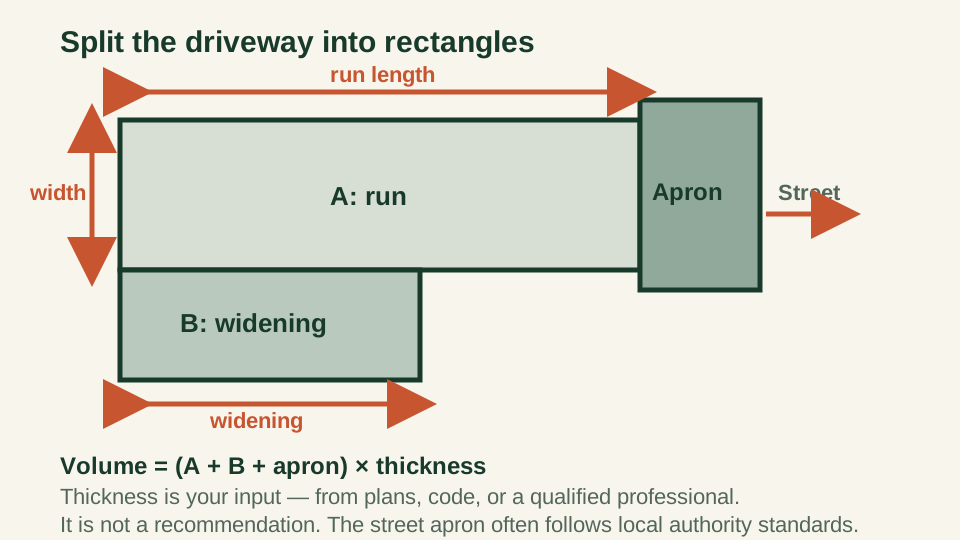
Concrete planning guide
How Much Concrete for a Driveway
Estimate driveway concrete by splitting the drive into rectangular sections and multiplying total area by the slab thickness from your plans. Thickness is your input.
Read guide →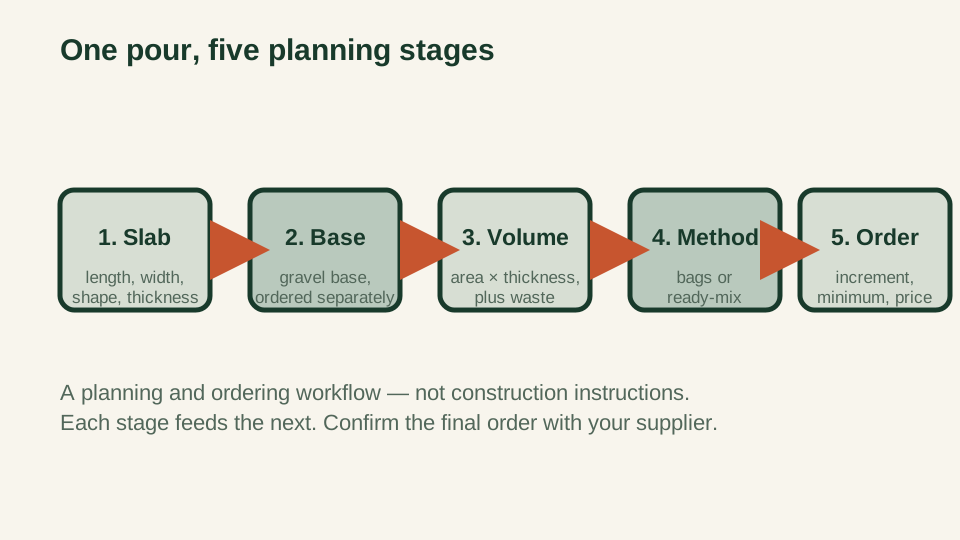
Concrete project planner
How to Plan a Concrete Slab Pour
A step-by-step planning workflow that chains the gravel base, slab volume, bags versus ready-mix, order quantity, and cost into one supplier-ready concrete order.
Read guide →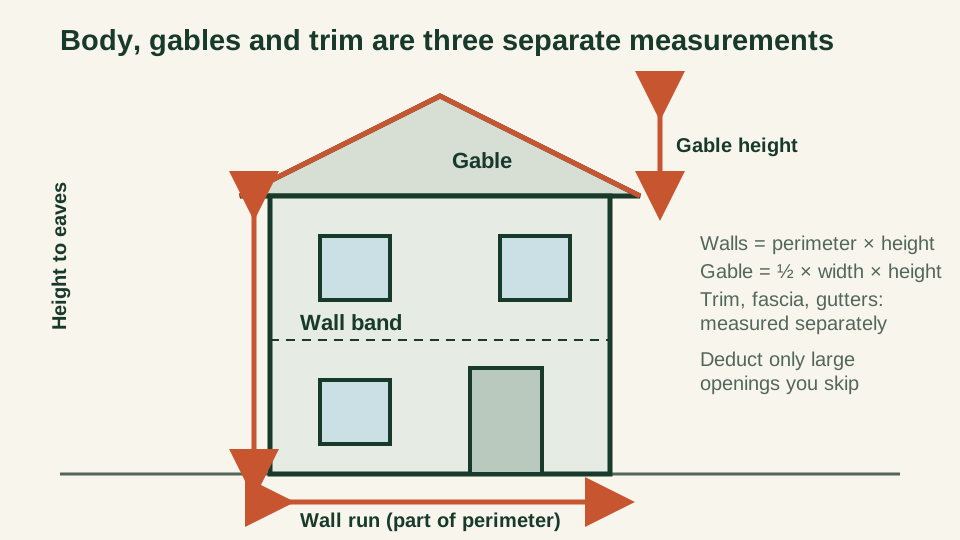
Paint planning guide
How Much Paint for a House Exterior
Measure the body as perimeter times height to the eaves, add each gable triangle, deduct only large openings, and paint trim as a separate calculation.
Read guide →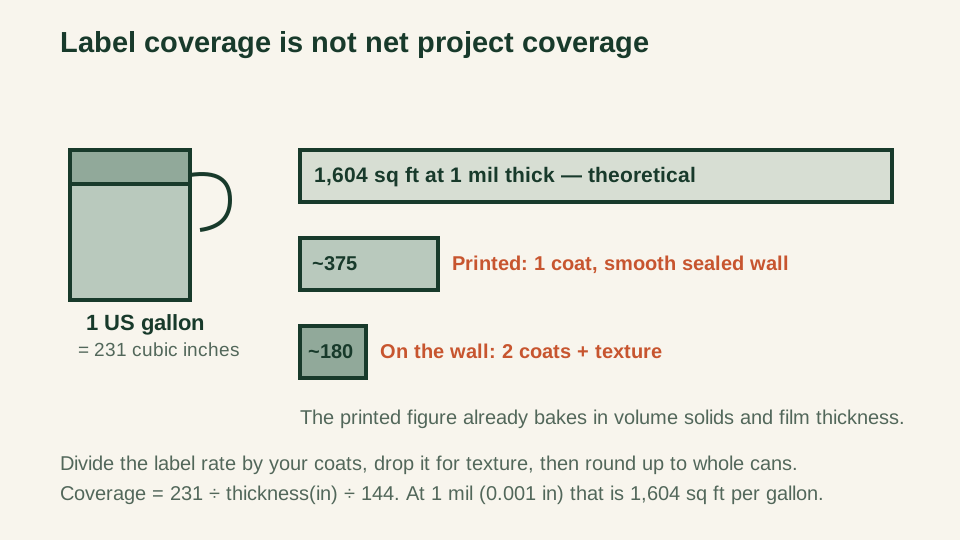
Paint planning guide
How Much Does a Gallon of Paint Cover?
A gallon covers about 350–400 sq ft per coat on the label, but far less on the wall once you count two coats, surface texture, and whole-can rounding.
Read guide →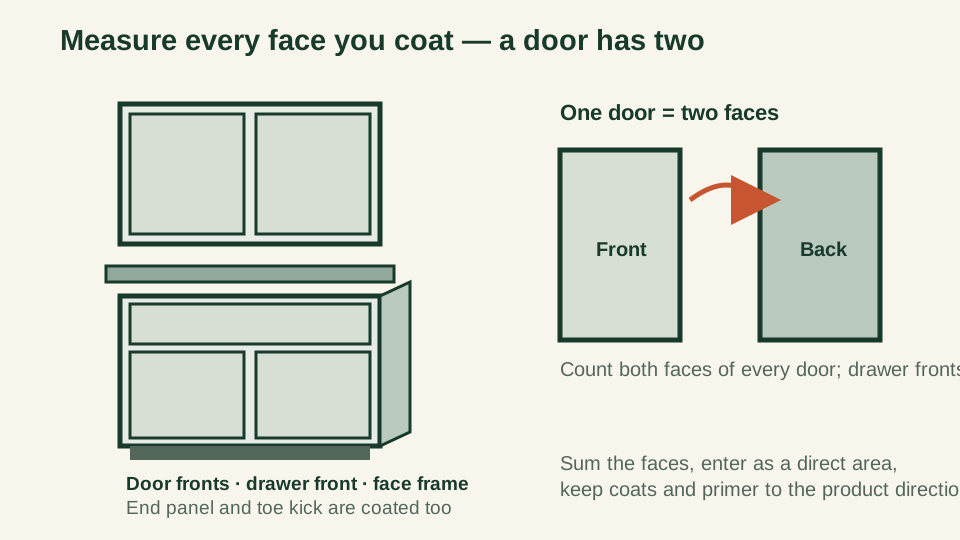
Paint planning guide
How Much Paint for Kitchen Cabinets
Measure every face you will coat, count both faces of each door, enter it as a direct area, and keep coats and primer to the product's directions.
Read guide →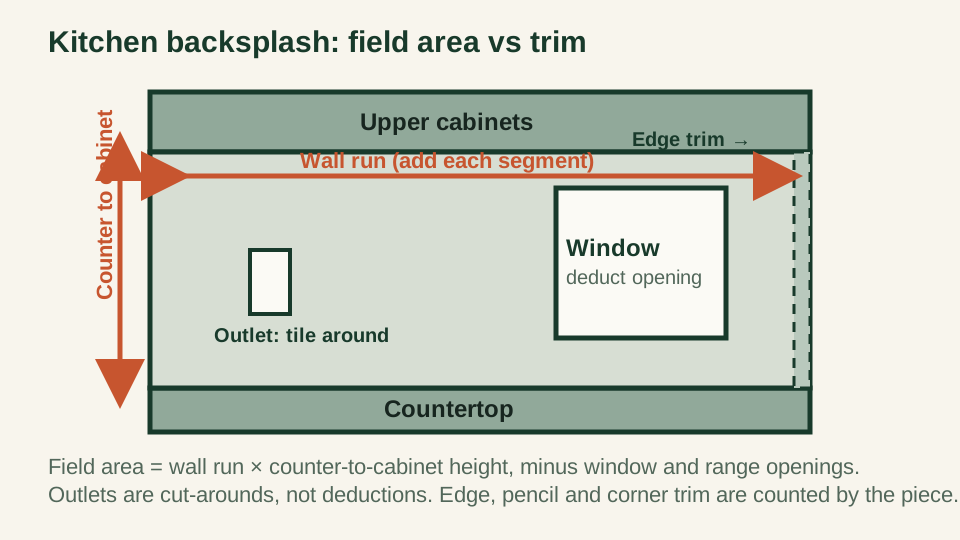
Tile planning guide
How to Measure a Kitchen Backsplash for Tile
Multiply each wall run by the counter-to-cabinet height, deduct windows, tile around outlets, and keep field tile separate from trim before ordering.
Read guide →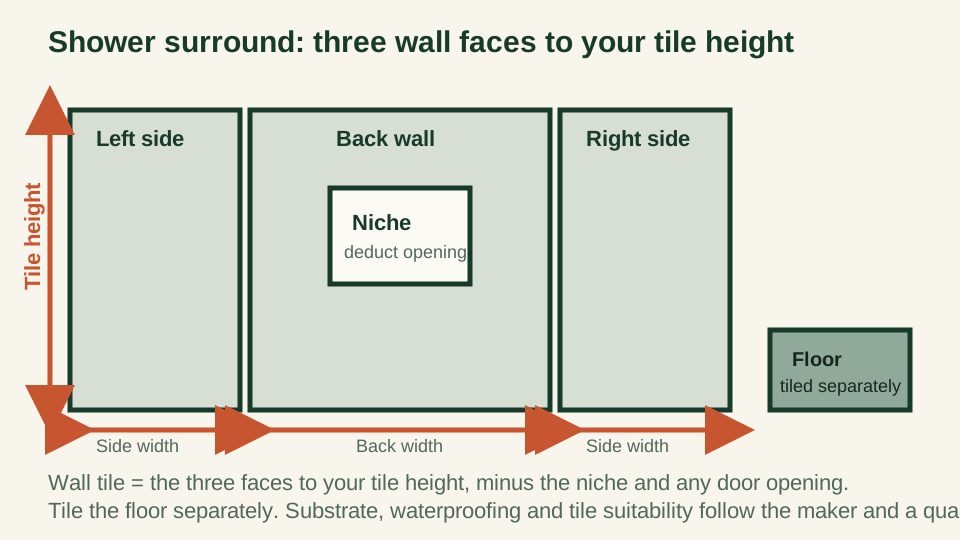
Tile planning guide
How Much Tile for a Shower Surround
Add up three shower walls to your tile height, deduct the niche and any door opening, and measure the shower floor separately before ordering wall tile.
Read guide →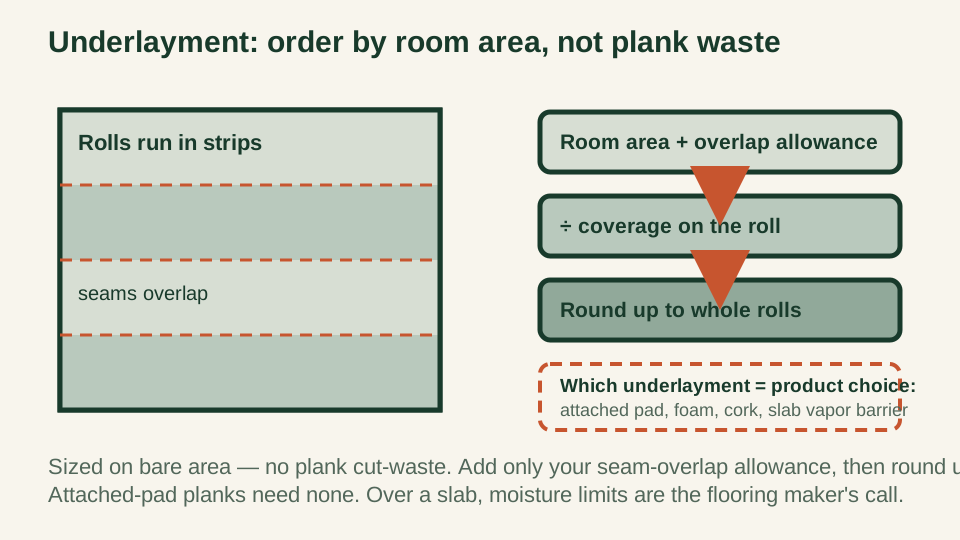
Flooring planning guide
How Much Underlayment Do You Need for Flooring?
Underlayment is sized on bare room area, not plank waste. Order rolls with a seam-overlap allowance, and treat product choice and slab vapor barriers separately.
Read guide →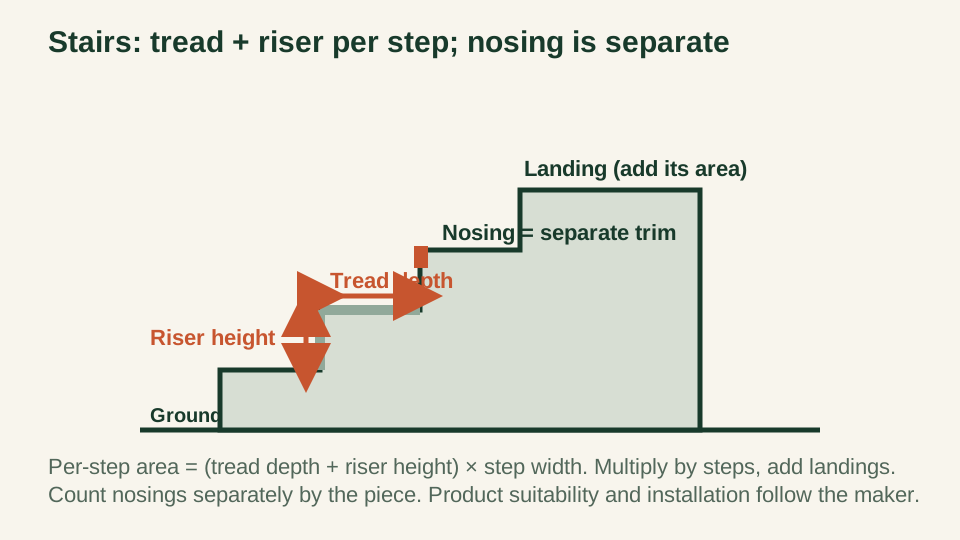
Flooring planning guide
How Much Flooring for Stairs
Measure stair flooring by the step: tread plus riser area times width times the number of steps, add landings, and count nosings as separate trim.
Read guide →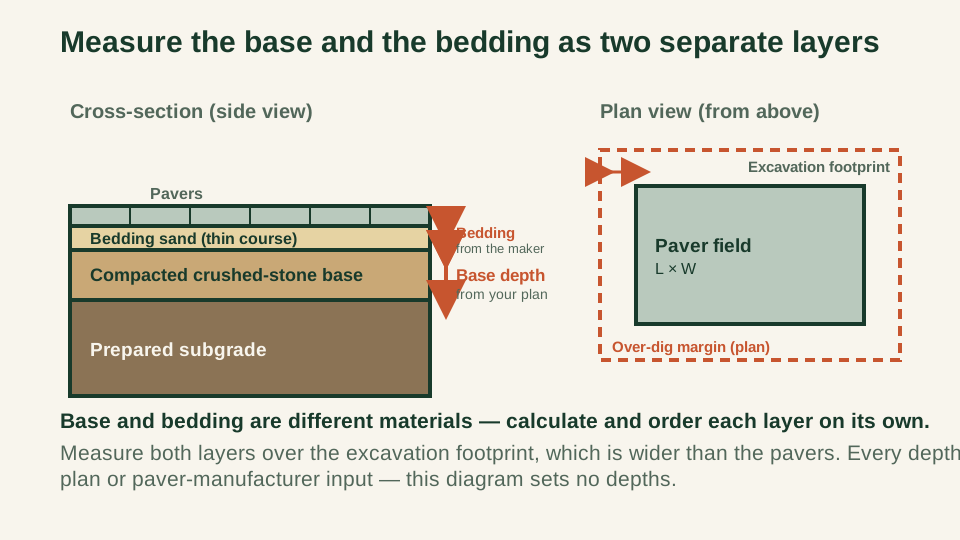
Landscaping planning guide
How Much Gravel and Sand for a Paver Patio Base
Measure a paver patio base and bedding sand as two separate layers, each dug wider than the pavers, using depths from your plan or paver manufacturer.
Read guide →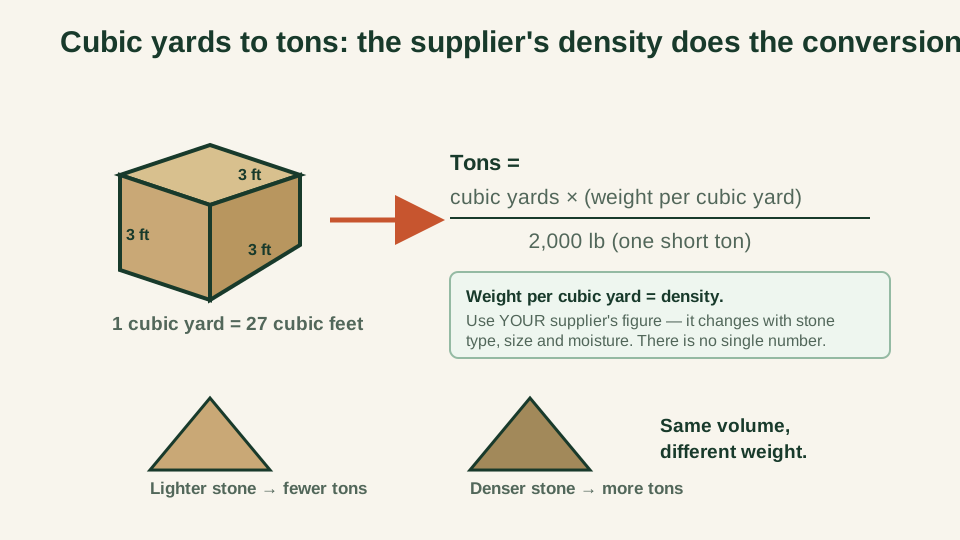
Gravel ordering reference
Gravel Cubic Yards to Tons: Ordering by Weight
Convert gravel cubic yards to tons using the density your supplier gives you: the exact NIST unit math, why density varies, and how to order by weight.
Read guide →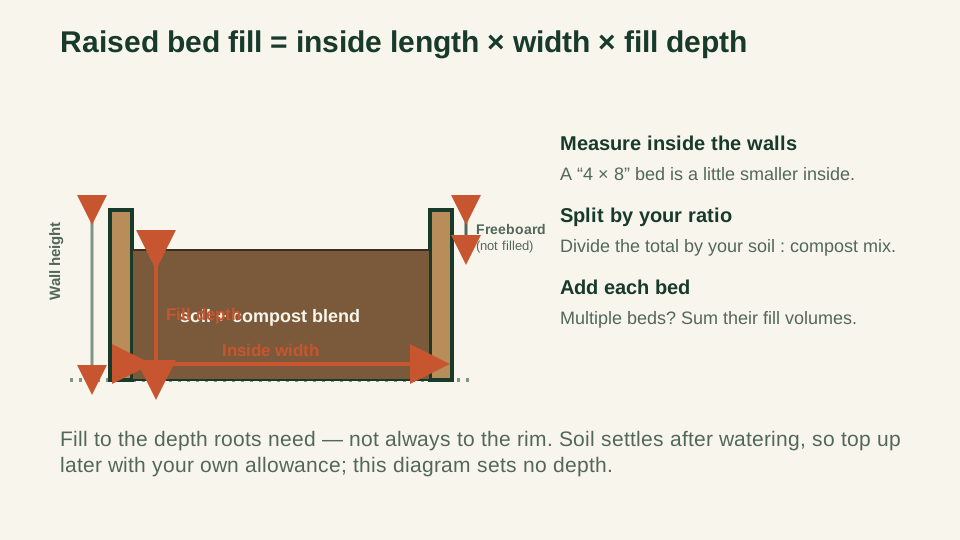
Garden planning guide
How Much Soil for a Raised Garden Bed
Calculate how much soil a raised garden bed needs from inside length, width and fill depth, split by your soil-to-compost ratio, with settling as your input.
Read guide →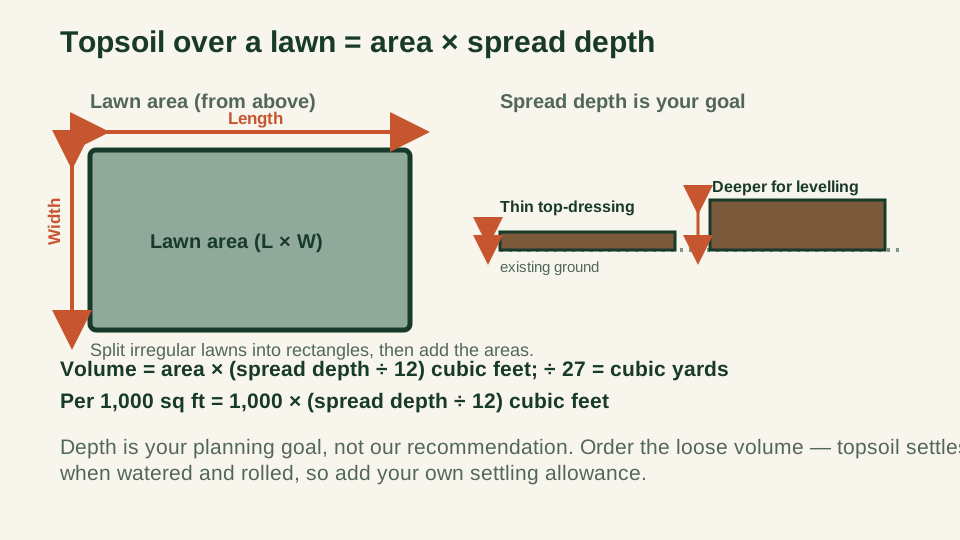
Lawn planning guide
How Much Topsoil Do You Need for a Lawn?
Estimate topsoil for a new lawn, levelling, or thin top-dressing by area and spread depth, in cubic yards and per 1,000 sq ft, with settling as your input.
Read guide →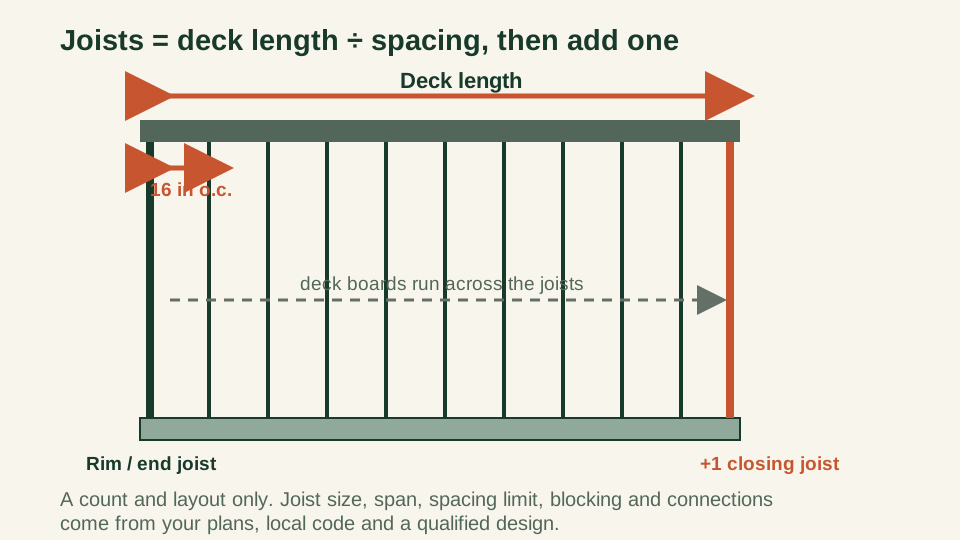
Deck planning guide
How Many Deck Joists Do You Need?
Deck joists equal the deck length divided by the on-center spacing, rounded up, plus one closing joist. Size, span, and connections stay with code.
Read guide →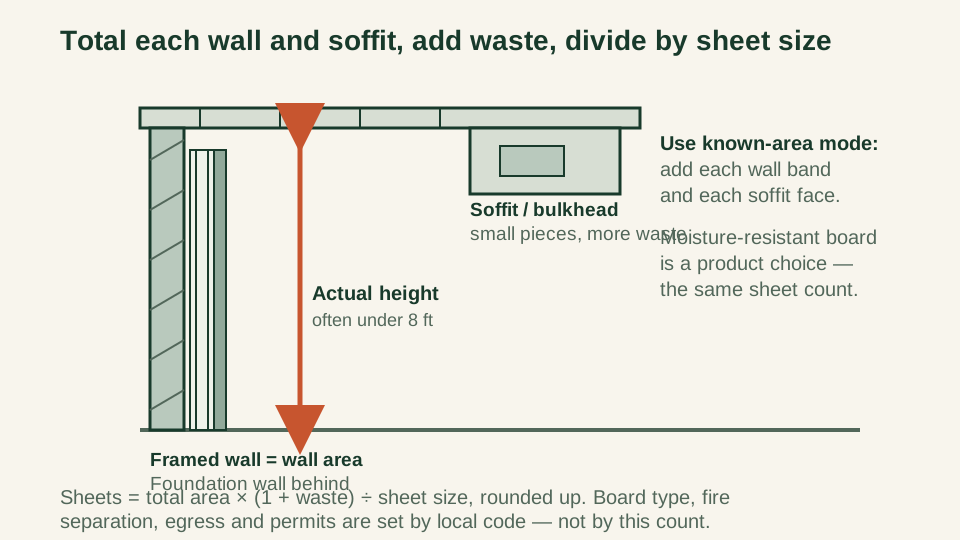
Drywall planning guide
How Much Drywall to Finish a Basement
Total each framed wall and soffit face, add cut waste, and divide by the sheet size. Board type and code questions stay with your local authority.
Read guide →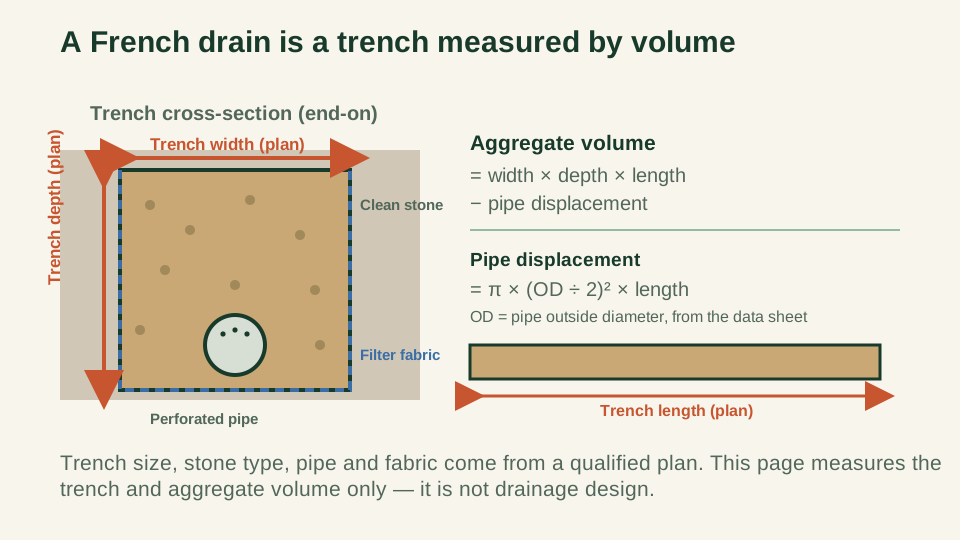
Site work planning guide
How Much Gravel for a French Drain
Measure the trench and clean-stone volume for a French drain using dimensions from a qualified plan, with pipe displacement subtracted explicitly.
Read guide →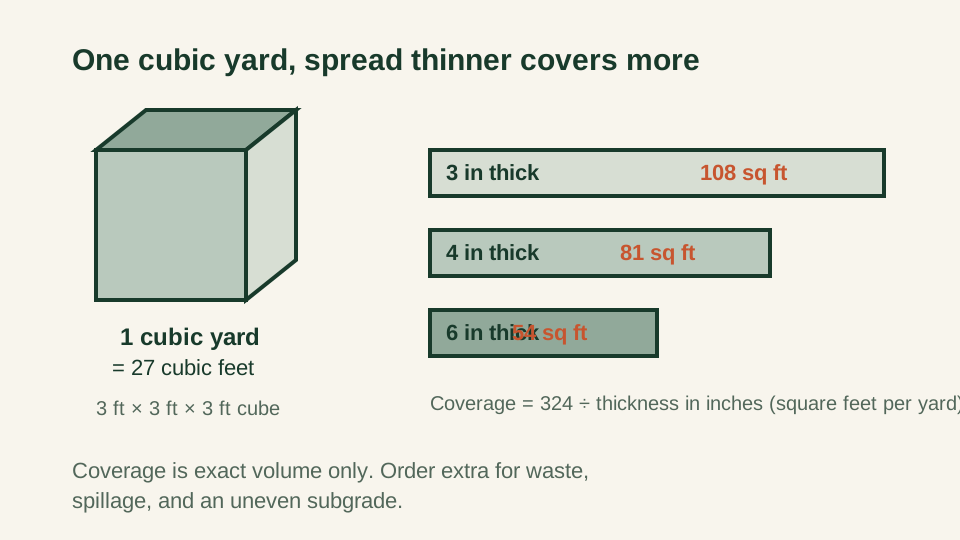
Concrete coverage reference
How Much Does a Yard of Concrete Cover?
One cubic yard of concrete covers 81 sq ft at 4 inches thick. Coverage equals 324 divided by thickness in inches, with a full thickness table.
Read guide →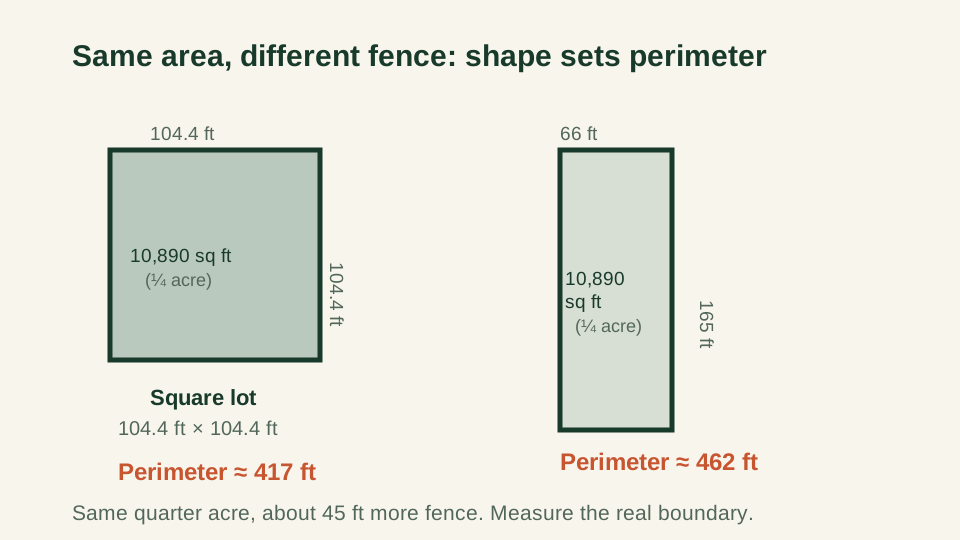
Fence perimeter reference
How Much Fence for a Quarter Acre?
A square quarter acre needs about 417 ft of fence, but a 66 by 165 ft lot of the same area needs about 462 ft. Area does not set perimeter; shape does.
Read guide →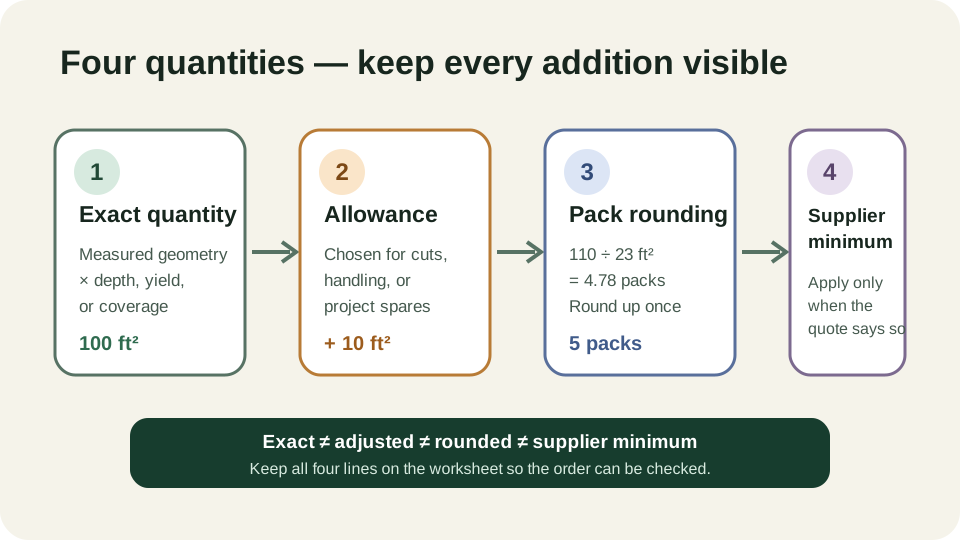
Material ordering reference
What Does Wastage Allowance Mean for Building Materials?
Keep exact quantity, project allowance, whole-package rounding, and supplier minimums separate with a reusable material-order worksheet.
Read guide →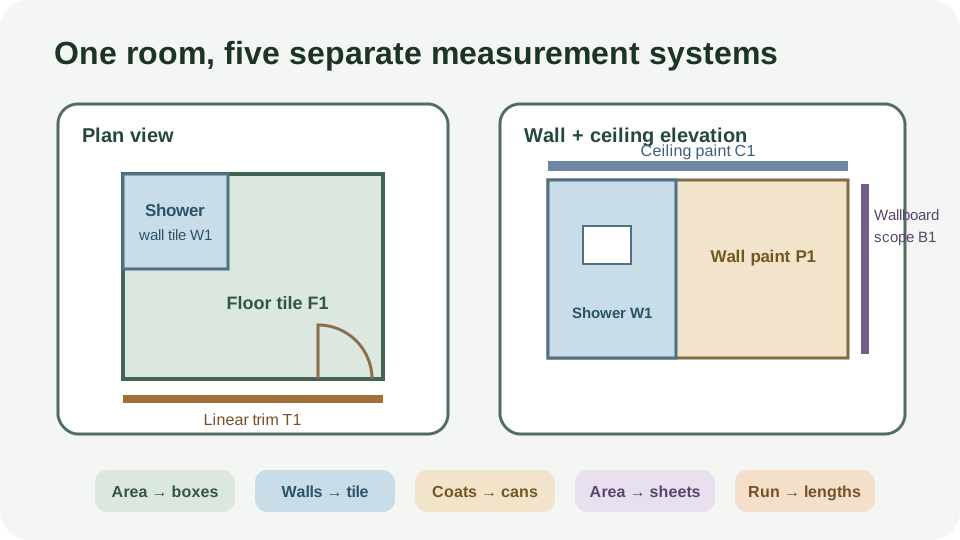
Bathroom measurement workflow
Bathroom Renovation Material Takeoff Planner
Measure bathroom floor tile, shower-wall tile, paint, wallboard and trim as separate zones, then assemble a supplier-ready worksheet without default prices.
Read guide →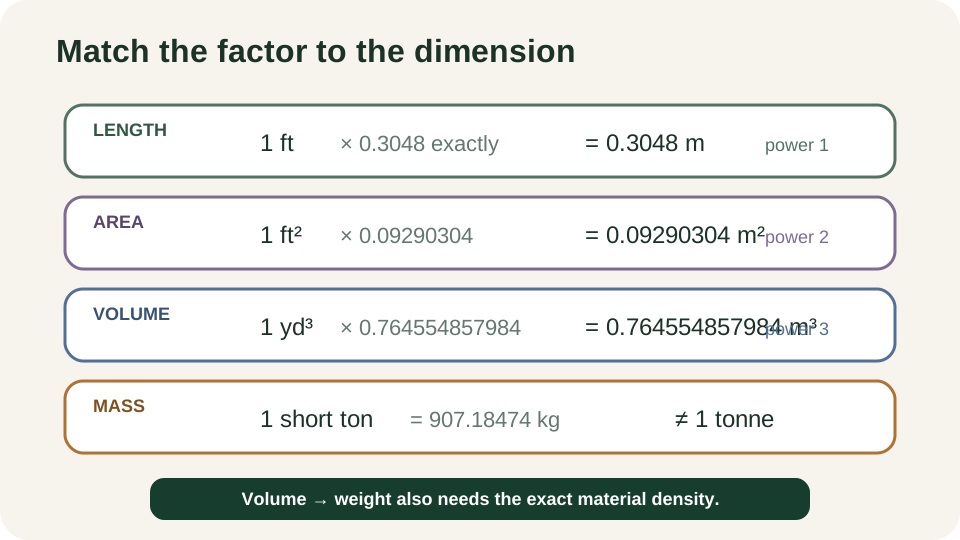
Construction conversion reference
Construction Unit Conversion Guide: Imperial and Metric
Convert construction length, area, volume and mass units with exact factors, while keeping material density separate from unit conversion.
Read guide →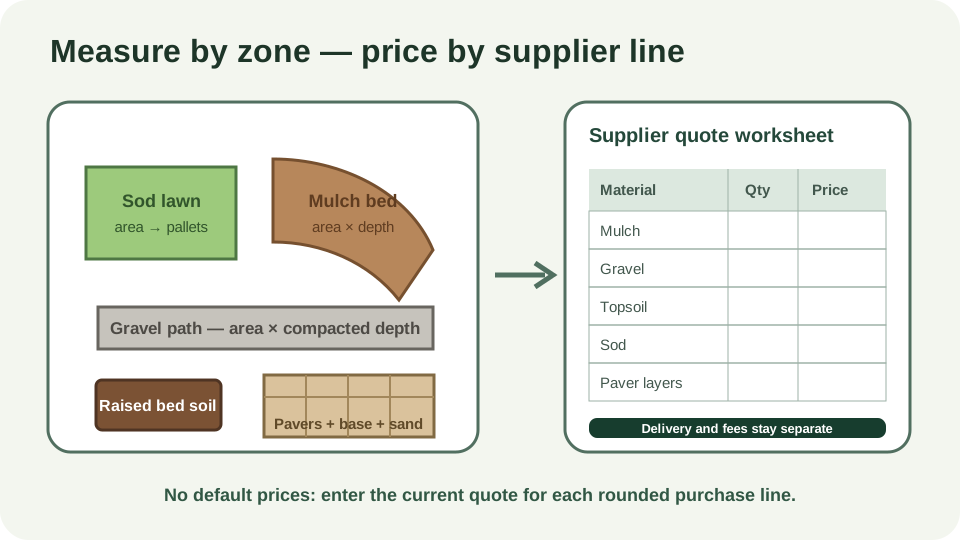
Landscaping measurement workflow
Landscaping Material Budget Worksheet
Join mulch, gravel, topsoil, sod and paver-base quantities into one quote-ready worksheet using current supplier prices you enter yourself.
Read guide →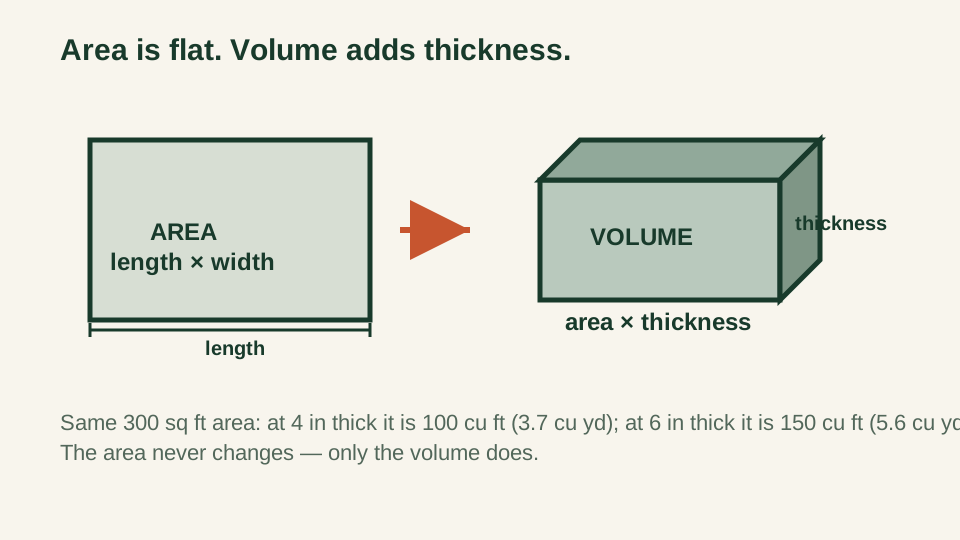
Concrete planning guide
How to Calculate Concrete Slab Area (and Why It Isn't Volume)
Calculate concrete slab surface area as length times width, then see why thickness turns that area into the volume you actually order.
Read guide →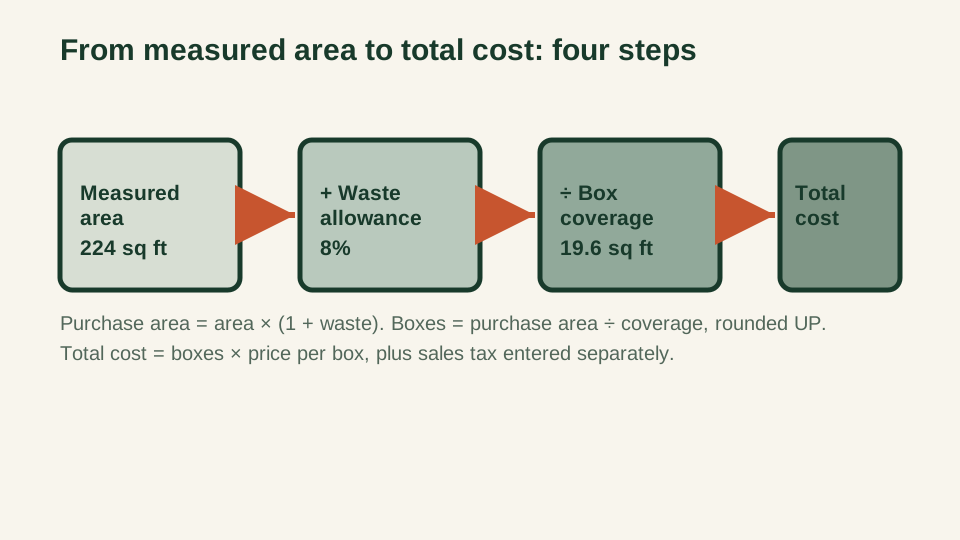
Flooring planning guide
How to Estimate Vinyl or Laminate Flooring Cost
Build a supplier-ready flooring cost worksheet for vinyl plank or laminate: measured area, waste allowance, box price, and total cost in one place.
Read guide →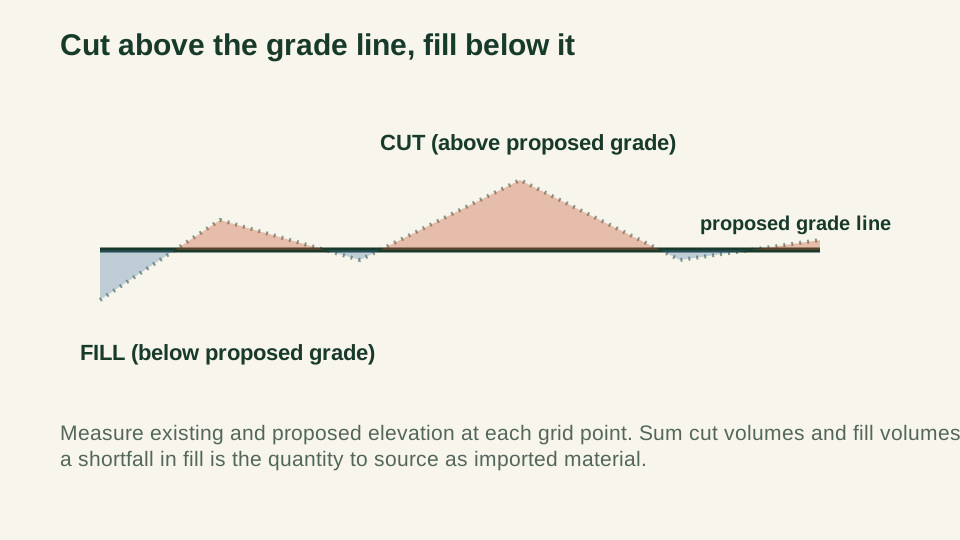
Site work planning guide
How to Measure Land Grading for a Cost Estimate
Measure cut-and-fill volumes for a land grading project and build a contractor-quote worksheet using your own rates, with no default prices assumed.
Read guide →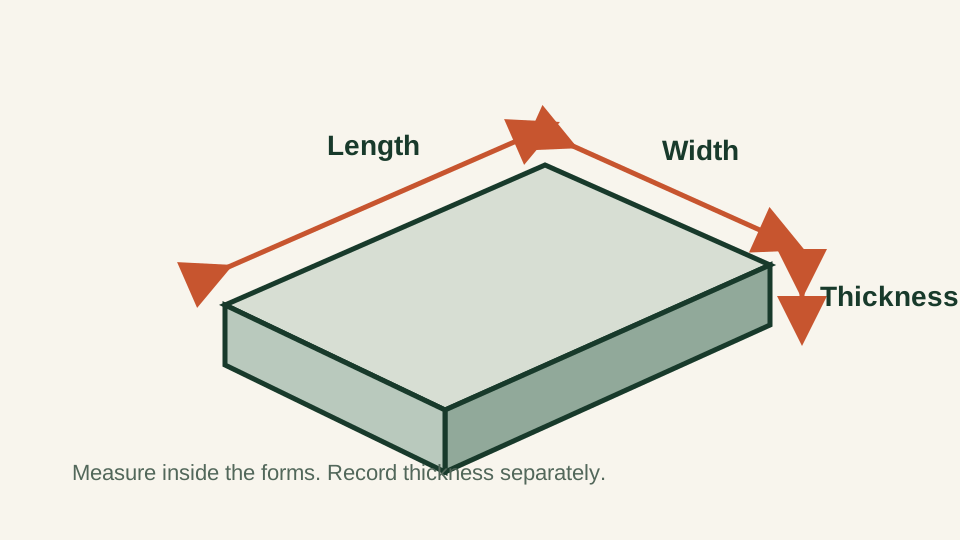
Concrete planning guide
How to Measure a Concrete Slab Before You Order
A practical, step-by-step way to measure a rectangular or L-shaped slab, check thickness, and turn the measurements into a concrete order.
Read guide →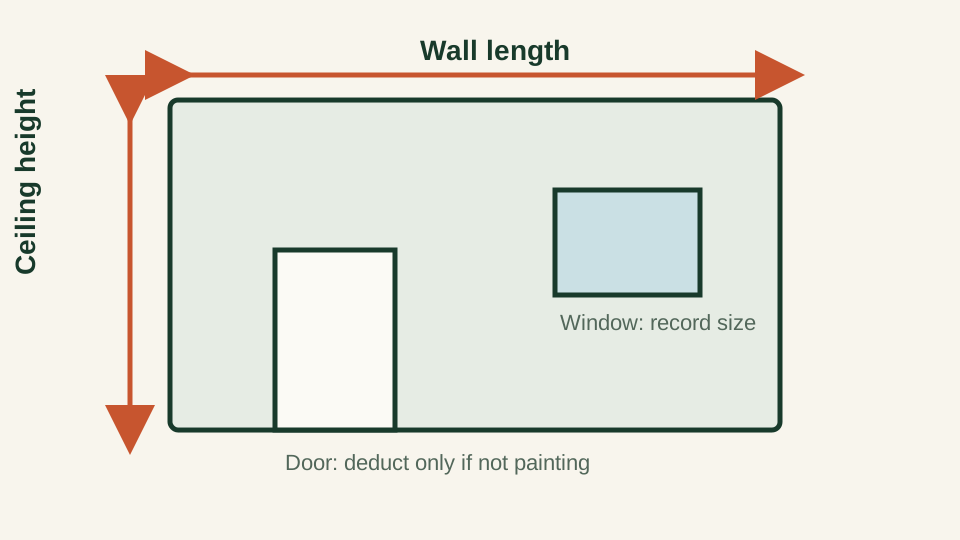
Paint planning guide
How to Measure a Room for Paint
Measure wall area, deduct doors and windows, choose coats, and prepare a paint shopping estimate without guessing at the store.
Read guide →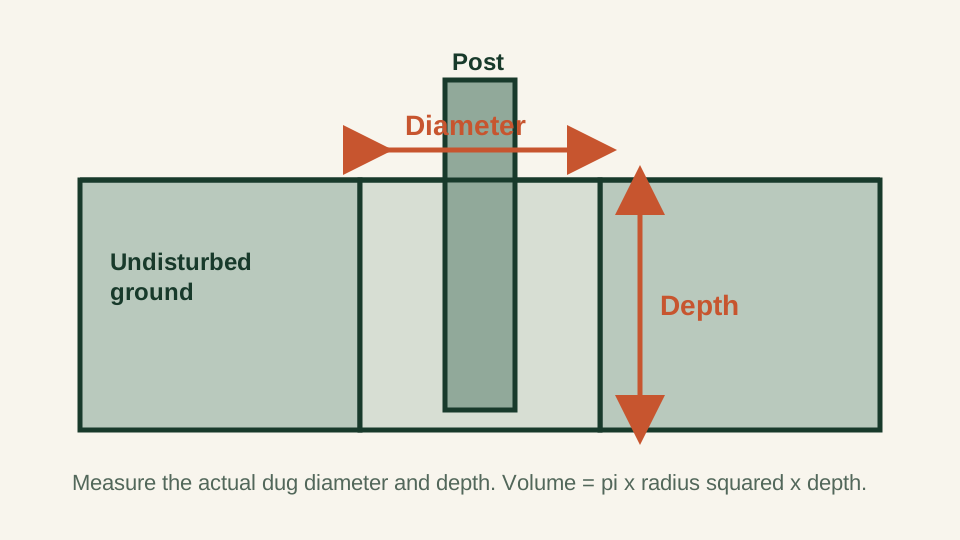
Concrete planning guide
How to Measure Post Holes for Concrete
Use the post-hole concrete calculator by measuring hole depth, diameter, and post size. Handle multiple holes and account for post displacement in the volume.
Read guide →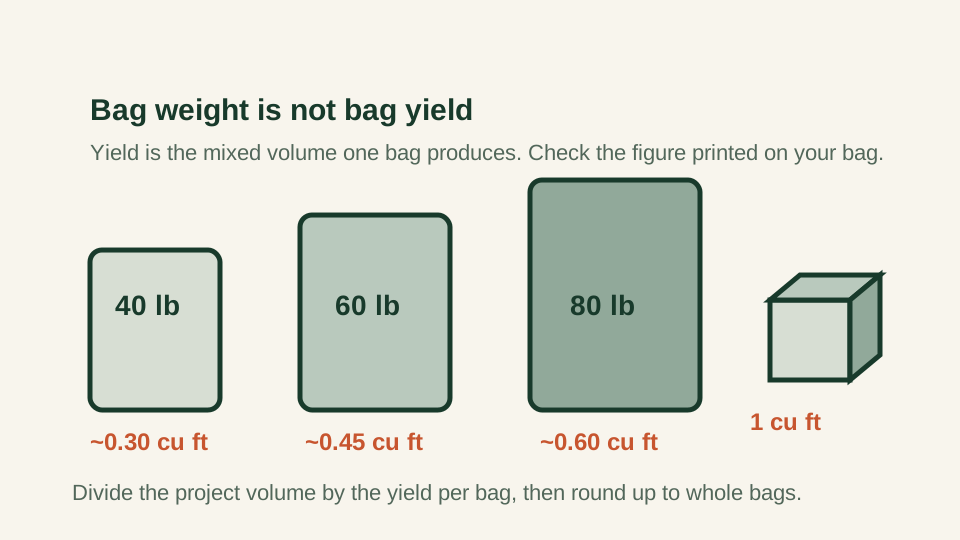
Concrete planning guide
Concrete Bag Yields: 40, 50, 60, and 80 lb
Compare product-specific 40, 50, 60, and 80 lb concrete bag yields, convert cubic feet to whole bags, and check the exact product before ordering.
Read guide →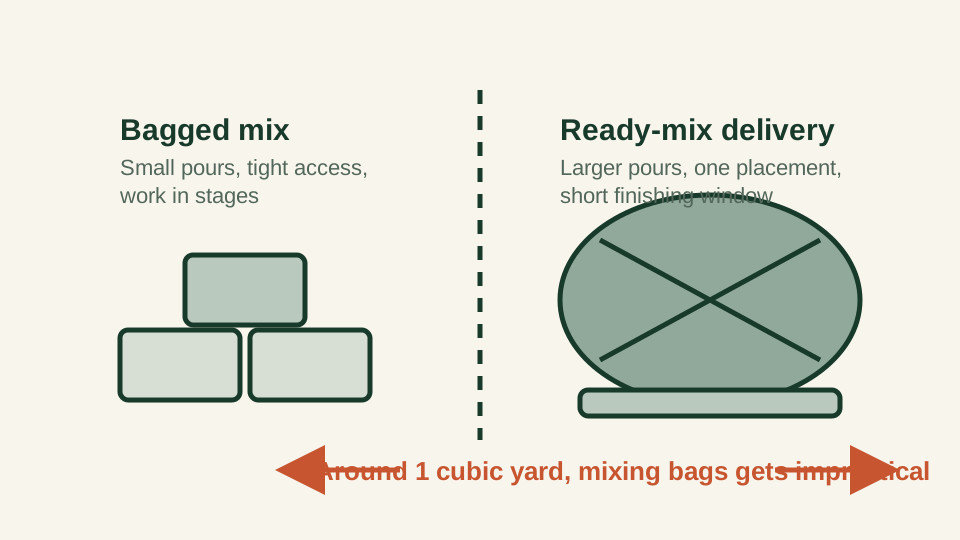
Concrete planning guide
Ready-Mix vs. Bagged Concrete: When to Use Each
Decide between ready-mix delivery and bagged concrete based on volume, access, working time, and site conditions. Compare cost, effort, and practicality.
Read guide →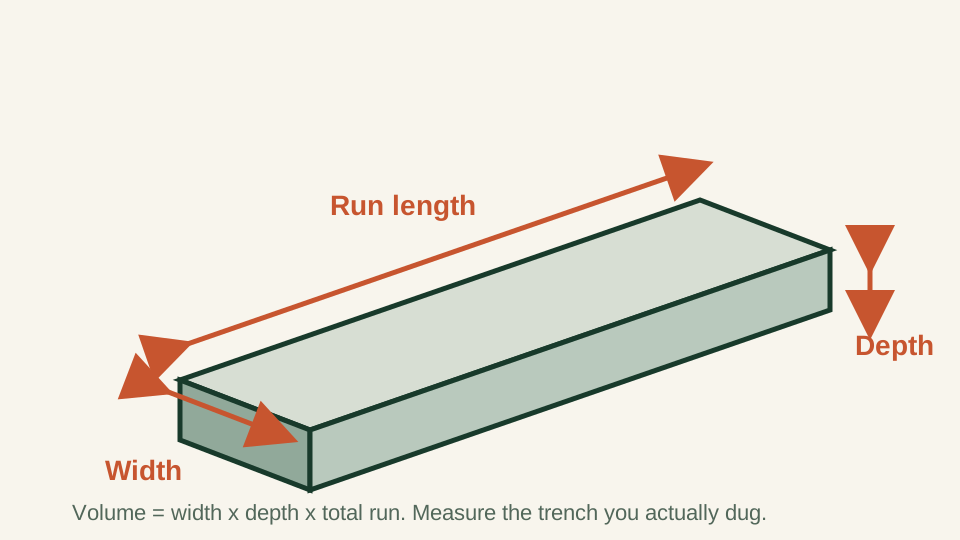
Concrete planning guide
How to Measure a Concrete Footing
Measure concrete footings for walls, posts, or structures. Handle continuous trenches and isolated pads, accounting for footing depth and width.
Read guide →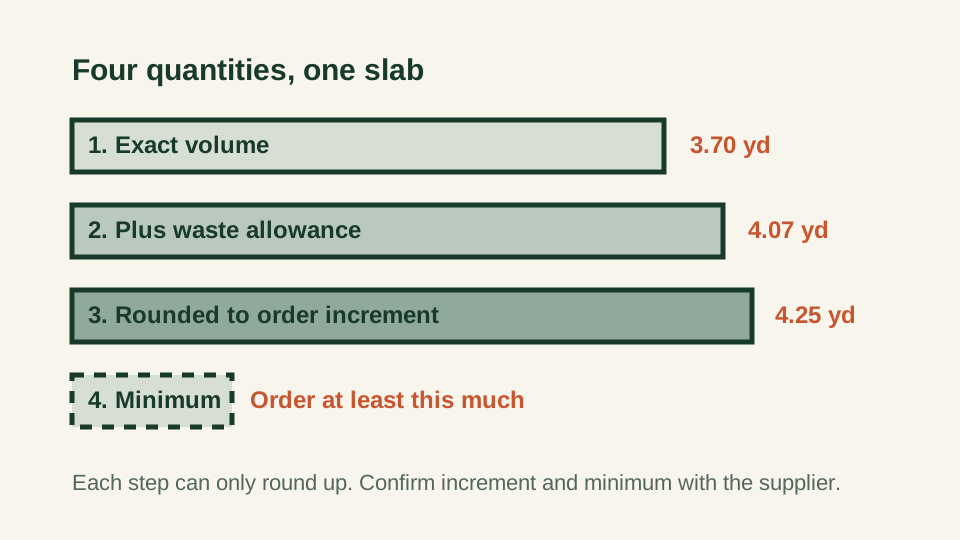
Concrete planning guide
Concrete Order Quantities Explained
Understand the four different quantities that decide how much concrete to order: exact volume, waste allowance, order increment, and supplier minimum.
Read guide →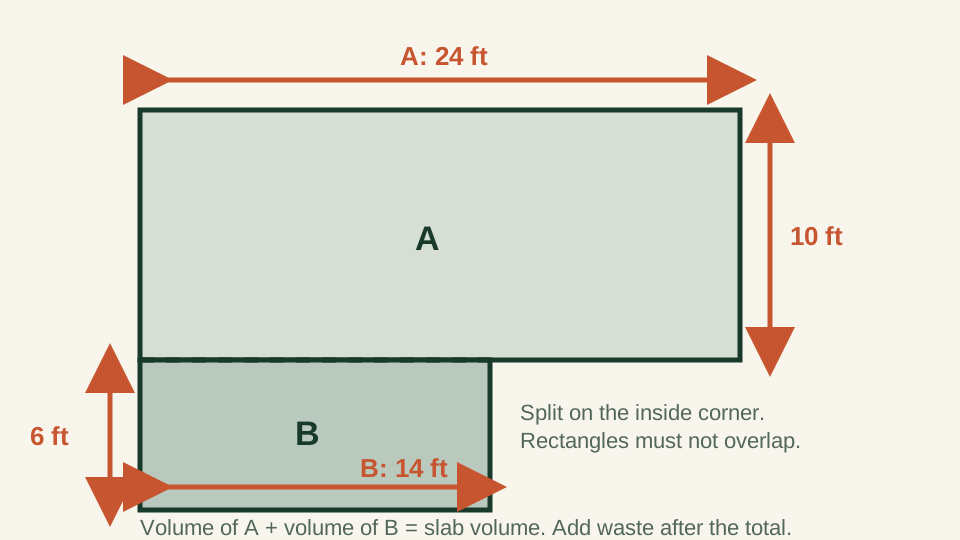
Concrete planning guide
How to Measure an Irregular Concrete Slab
Measure L-shaped, T-shaped, and other irregular slabs by decomposing them into rectangles, then calculating each section separately.
Read guide →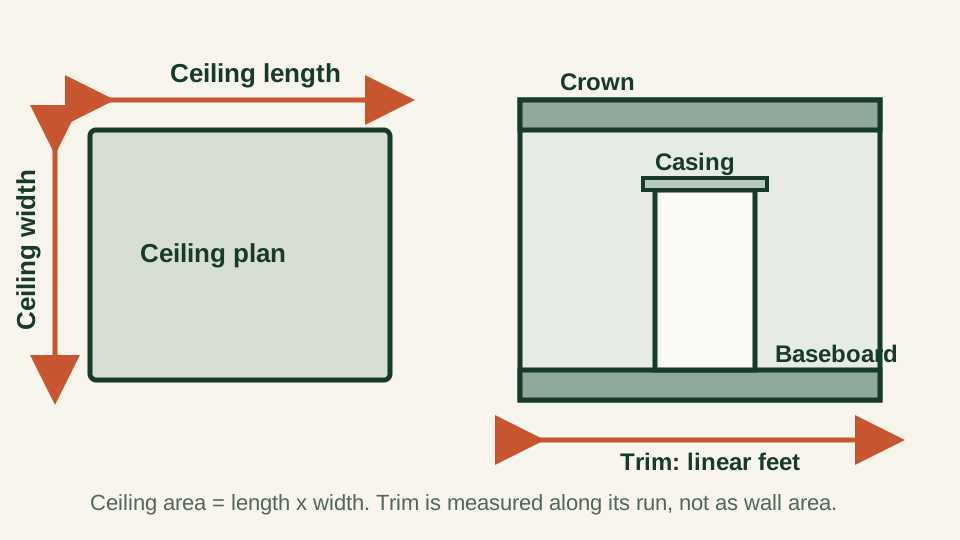
Paint planning guide
How to Measure Ceilings and Trim for Paint
Measure ceiling area in square feet, record trim in linear feet, and set the paint scope for doors and windows before you estimate.
Read guide →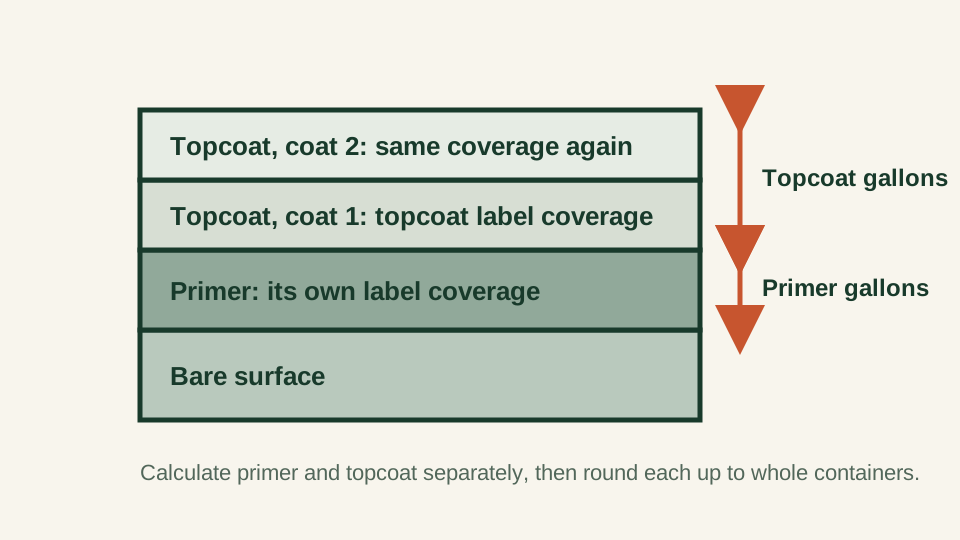
Paint planning guide
How Much Paint Primer Do You Need? Coverage Planning
Find out how much paint primer you need by calculating coverage from the product label separately from the topcoat, then round each up to a container.
Read guide →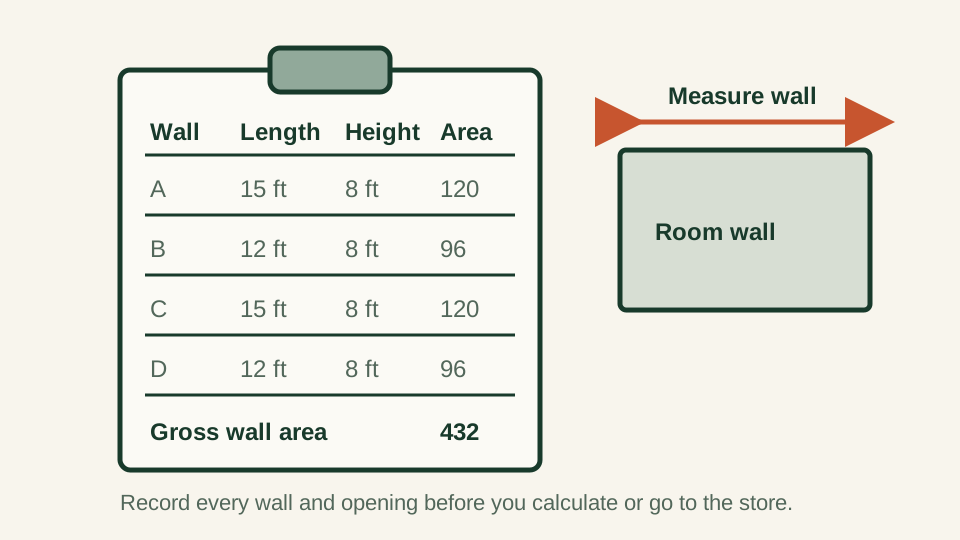
Paint planning guide
Room Paint Measurement Worksheet
A printable fill-in worksheet for wall lengths, heights, openings, and coats, so every number is on paper before you calculate or shop.
Read guide →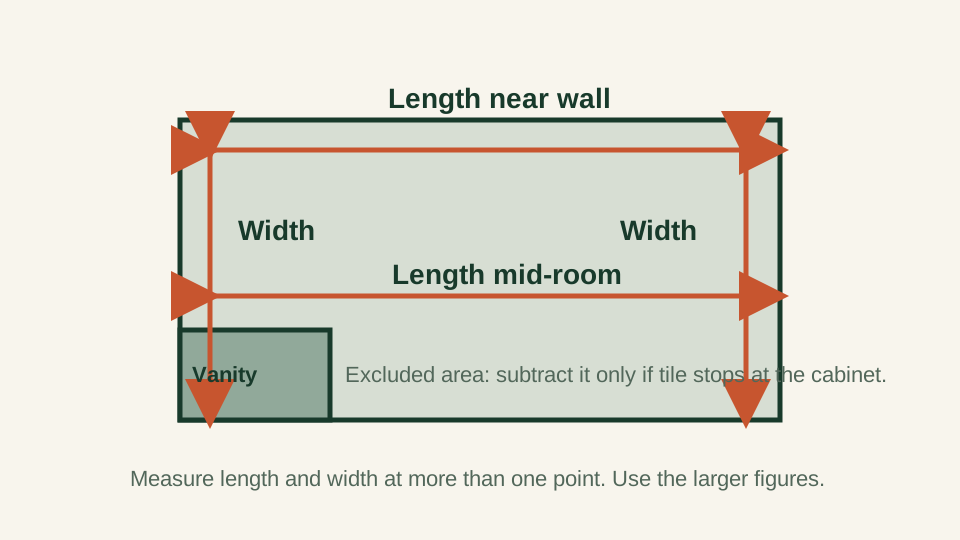
Tile planning guide
How to Measure a Floor for Tile
Measure a room for floor tile the way installers do: length and width at several points, a squareness check, and clear notes on excluded areas.
Read guide →
Tile planning guide
Tile Layout Patterns and Waste
How straight, offset, diagonal, and herringbone tile layouts change the waste allowance you should plan for, with a pattern-by-pattern table.
Read guide →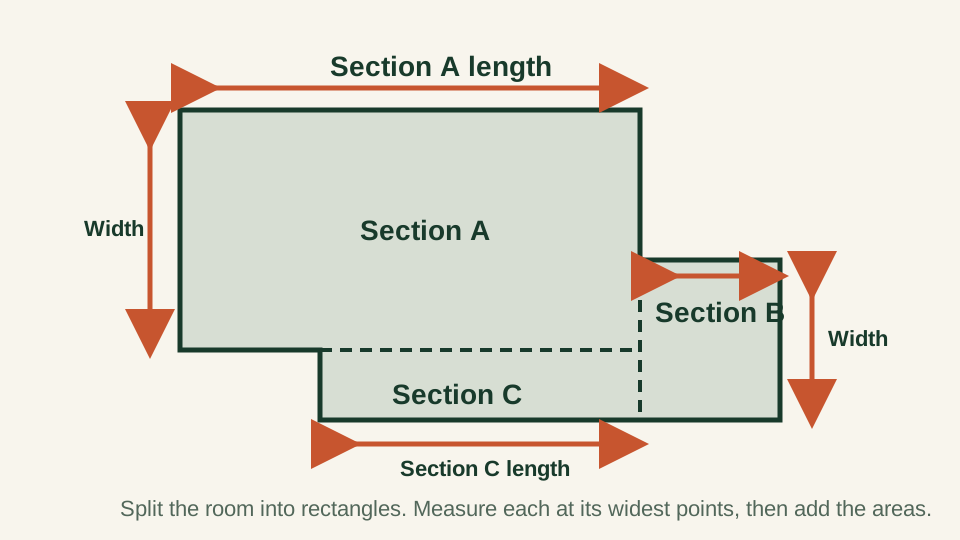
Flooring planning guide
How to Measure an Irregular Room for Flooring
Split an L-shaped or irregular room into rectangles, measure each section at its widest points, and add the areas with a worksheet you can copy.
Read guide →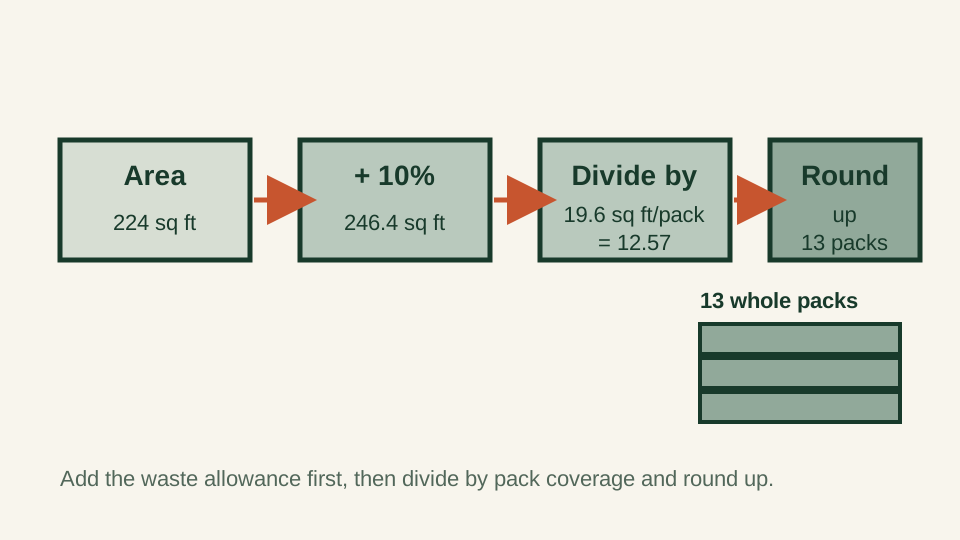
Flooring planning guide
Flooring Pack Coverage and Rounding
Flooring is sold by the pack, not the square foot. How to go from measured area to waste allowance to whole packs, with the arithmetic shown.
Read guide →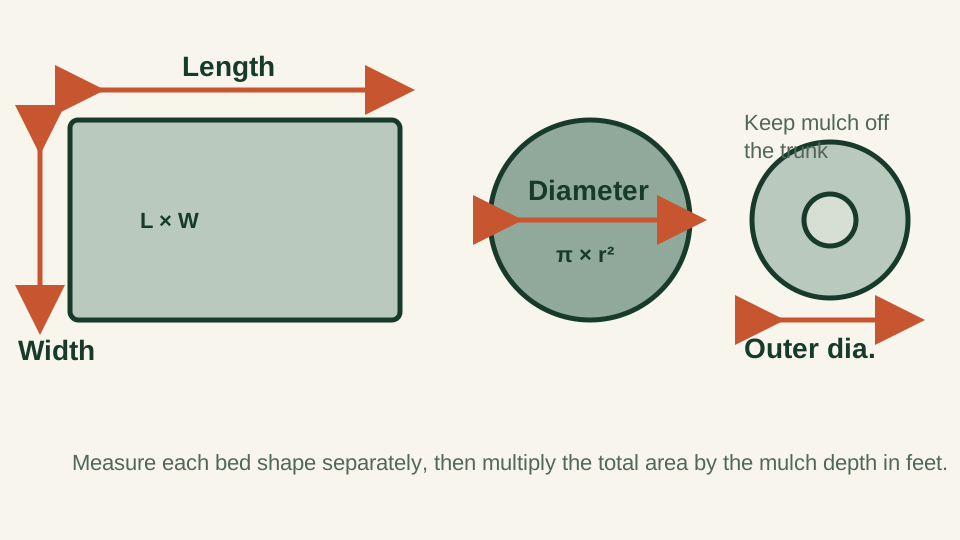
Landscaping planning guide
How to Measure Mulch Beds
Measure the area of mulch beds by length and width for rectangles, or radius for circular beds, then multiply by the desired depth in inches to calculate volume.
Read guide →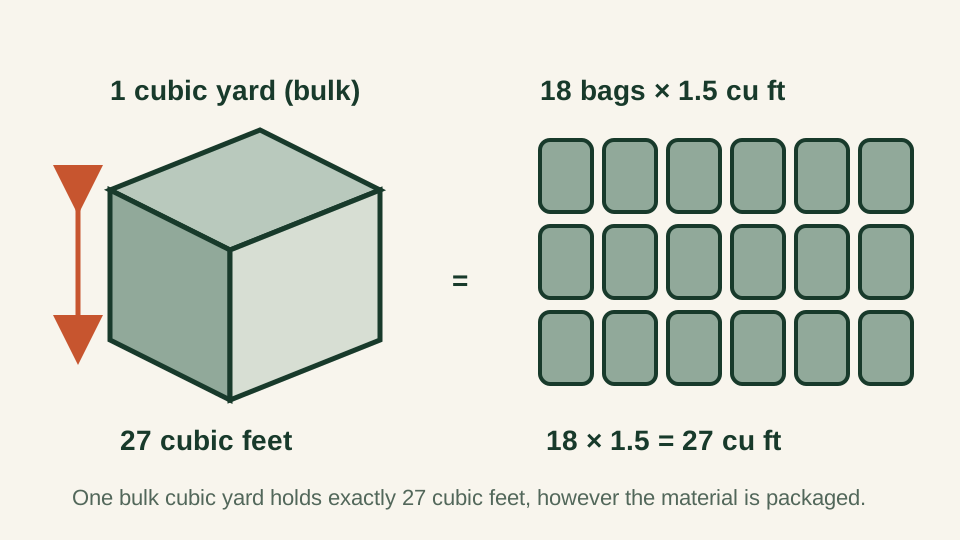
Landscaping planning guide
How Many Bags Is 1 Cubic Yard of Mulch? Bulk vs. Bagged
One cubic yard of mulch is about 9 to 18 bags depending on bag size. Compare bulk delivery against bagged mulch, soil, or gravel by volume and cost.
Read guide →
Landscaping planning guide
How to Measure a Gravel Driveway
Calculate gravel volume for a driveway by measuring length, width, and compacted depth. Handle multi-section drives with different thicknesses.
Read guide →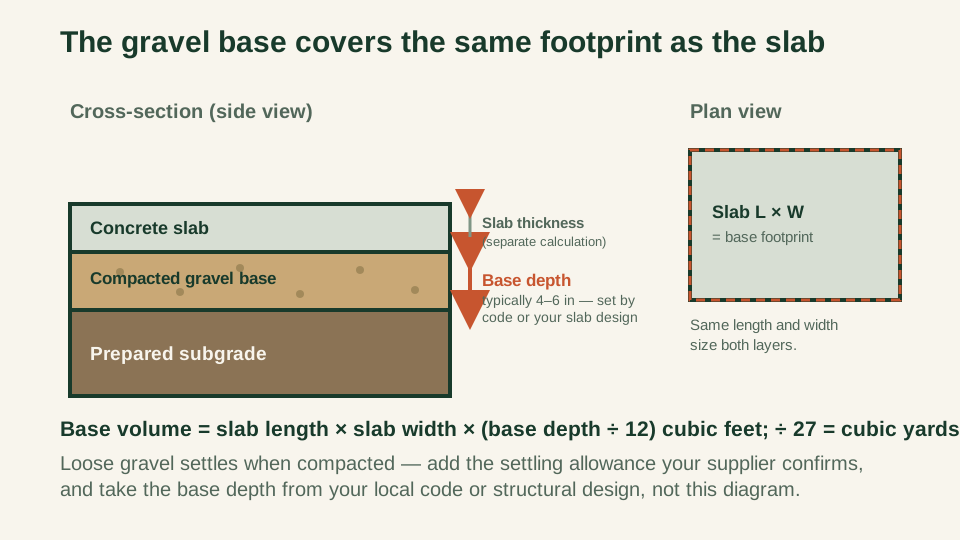
Landscaping + Concrete planning guide
How Much Gravel Do You Need Under a Concrete Slab?
Calculate compacted gravel volume under a slab from its measured footprint and the base depth required by your plan, then convert it to a supplier-ready order.
Read guide →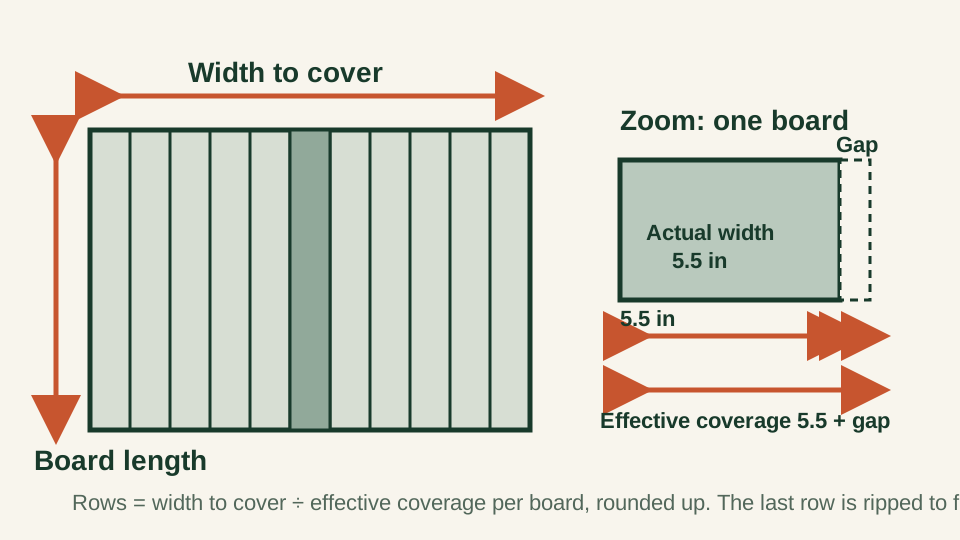
Deck planning guide
How to Measure a Deck for Boards
Measure deck dimensions and understand how nominal board sizes differ from actual widths. Account for gaps, direction, and waste to calculate decking needed.
Read guide →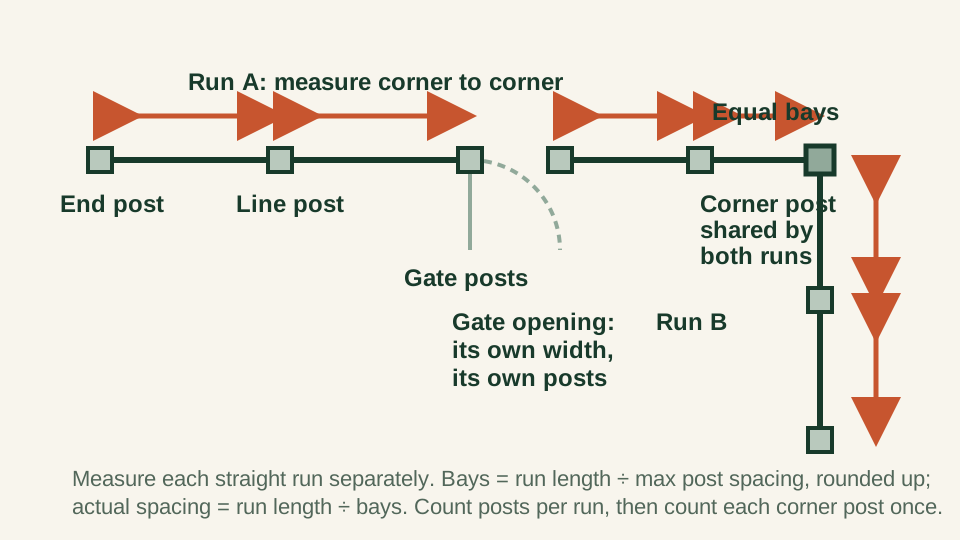
Fence planning guide
How to Measure a Fence Line
Measure fence runs by post type: end posts, corner posts, regular posts, and gates. Calculate board and post quantities for a complete fence.
Read guide →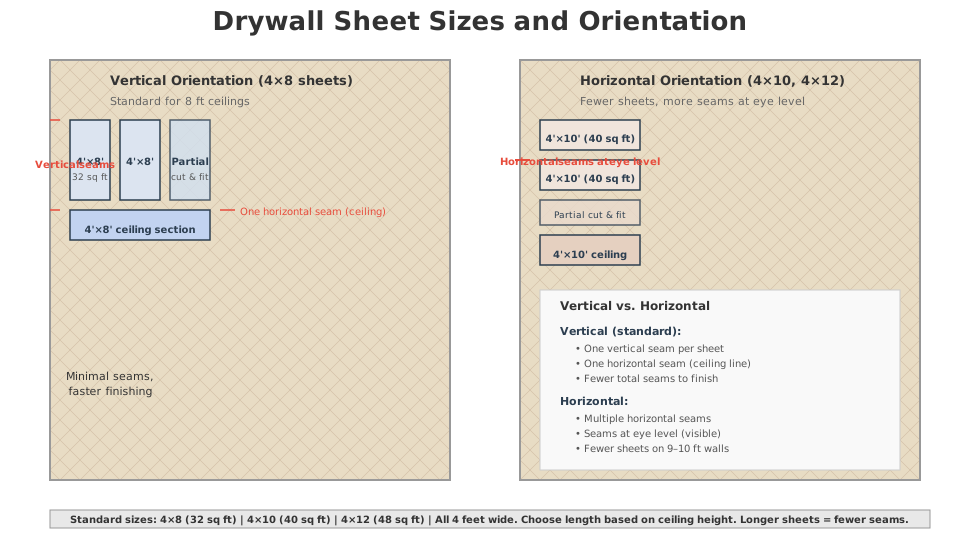
Drywall planning guide
How to Measure Walls for Drywall
Calculate drywall sheet count by measuring wall area, choosing sheet size, and accounting for cut waste and ceiling application.
Read guide →